Does Coffee Cake Contain Coffee? The Delicious Truth & Best Recipes
Imagine a crisp morning, the aroma of freshly brewed coffee wafting through the air, perfectly complemented by a warm, tender slice of cake. This isn't just any cake; it's a coffee cake, adorned with a glorious crumbly streusel topping, a true icon of comfort food. Whether you're planning a lavish Easter brunch, a heartwarming Mother's Day treat, an indulgent after-school snack, or simply seeking to elevate your everyday breakfast, a delicious coffee cake is an undeniable crowd-pleaser. But for such a universally beloved baked good, one question consistently puzzles newcomers and seasoned bakers alike:
does coffee cake actually contain coffee? The delicious truth might surprise you, and understanding it unlocks a world of versatile and irresistible
coffee cake recipes waiting to be explored.
The Delicious Truth: Decoding the "Coffee" in Coffee Cake
Let's cut straight to the chase and settle the most frequently asked question about this delightful baked good: **no, traditional coffee cake does not contain coffee in the cake batter itself.** This revelation often comes as a surprise, given the suggestive name. Instead, the term "coffee cake" refers to its intended purpose: a perfect companion to a steaming cup of coffee. It’s a cake designed to be savored *with* your morning brew, during a mid-afternoon coffee break, or as a comforting dessert after a meal.
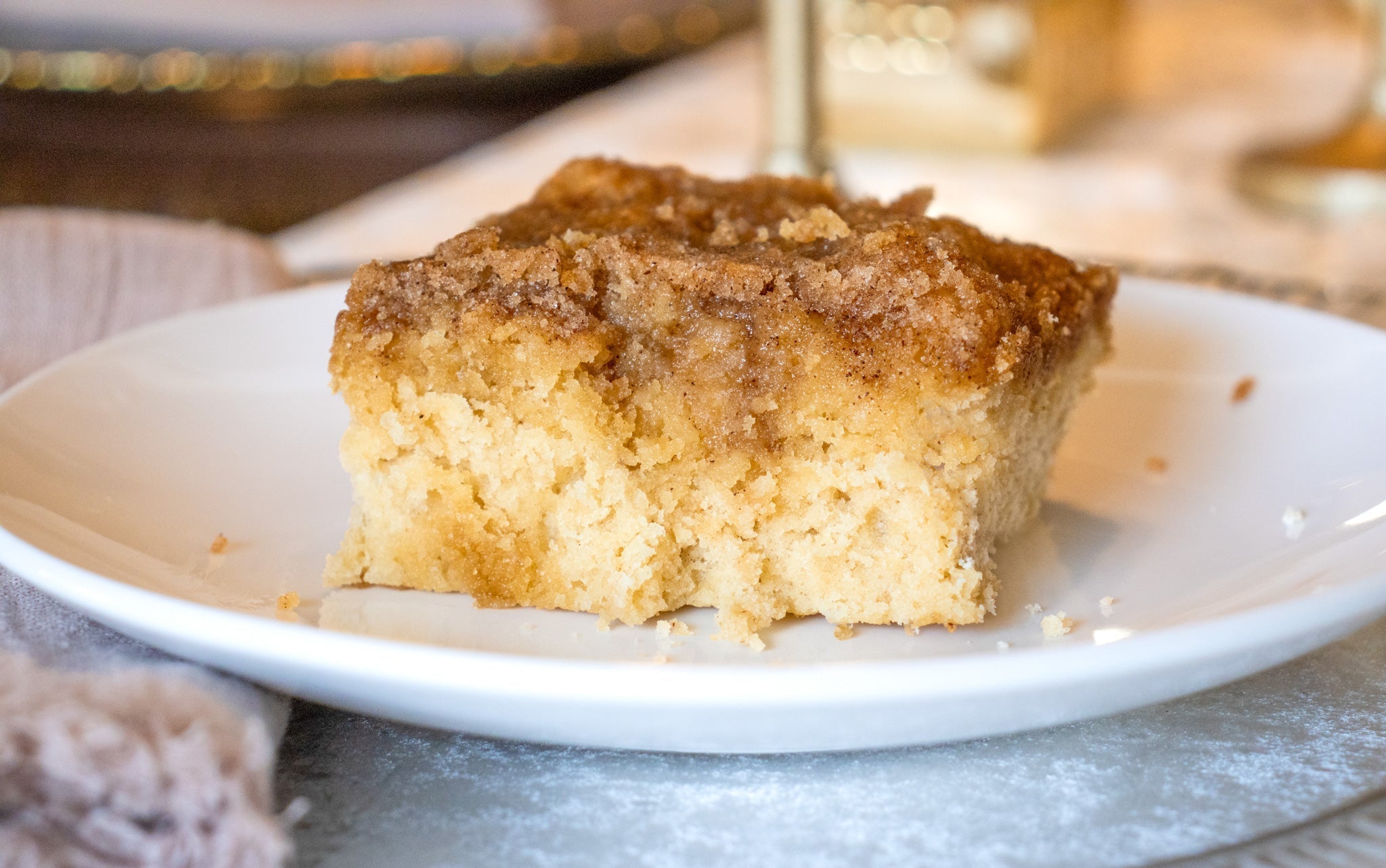
Think of it less as a flavor profile and more as a serving suggestion. The cake itself is typically a tender, moist, and often single-layer confection, rich with butter, eggs, and sometimes sour cream, which contributes to its wonderfully soft crumb. Its defining characteristic, however, is almost always its generous streusel or crumb topping – a delightful mix of flour, sugar, butter, and often cinnamon, baked until golden and crumbly. While some modern or creative
coffee cake recipes might introduce coffee or espresso powder for a subtle flavor hint, this is a deviation from the classic interpretation. The beauty of a classic coffee cake lies in its ability to complement, not compete with, the complex flavors of your favorite coffee or tea. And for younger palates, a tall glass of cold milk is just as delightful an accompaniment!
A Sweet Journey Through History: From Kaffekuchen to Quick Bread
The story of coffee cake is a fascinating journey that spans continents and culinary traditions. Its roots can be traced back to 17th-century Europe, particularly in Vienna, where a yeast-leavened cake known as "kaffekuchen" (literally "coffee cake" in German) gained popularity. These early versions were often brioche-like, enriched with butter and sometimes fruit, and were indeed served alongside coffee. The slow rise time and complex flavors of these European ancestors set the stage for what would evolve into the American coffee cake we know and love today.
When European immigrants brought their baking traditions to America, the concept of a "coffee cake" evolved, largely influenced by the convenience of new leavening agents like baking powder and baking soda. American ingenuity transformed the time-consuming yeast-based kaffekuchen into what is now often referred to as a "quick bread" style coffee cake. These modern versions forgo the lengthy proofing process required by yeast, relying instead on chemical leaveners to achieve a light and airy texture. This innovation meant that a delicious, homemade coffee cake could be whipped up and baked in under an hour, making it an ideal choice for busy mornings or impromptu gatherings.
Today's American
coffee cake recipe typically features a batter that's wonderfully rich and moist, often incorporating ingredients like sour cream, buttermilk, or yogurt to enhance both flavor and texture. These additions contribute a subtle tang and ensure a supremely tender crumb. The shift from yeast to quick-bread methods made coffee cake more accessible and cemented its status as a staple in American homes, perfect for sharing with friends, family, or neighbors.
The Hallmarks of a Perfect Coffee Cake: Beyond the Crumb
While the name might be misleading about its coffee content, the core characteristics of a truly great coffee cake are unmistakable and consistently delicious. Understanding these elements is key to appreciating and even mastering any
coffee cake recipe.
1.
The Tender, Moist Base: At its heart, a coffee cake should boast a beautifully tender and moist cake base. This is often achieved through the generous use of butter, eggs, and dairy like sour cream or yogurt. Sour cream, in particular, is a secret weapon in many popular
coffee cake recipes, lending a slight tang that balances the sweetness, while also contributing significant moisture and a rich, velvety texture.
2.
Warm Spices & Flavorful Add-ins: Traditional coffee cakes are often flavored with comforting spices such as cinnamon, nutmeg, and sometimes a hint of vanilla. These warm spices are usually swirled into the batter, mixed into a layer within the cake, or most commonly, incorporated into the streusel topping. Beyond spices, many variations introduce delightful inclusions like chopped nuts (pecans, walnuts), fresh berries (raspberries, blueberries), chocolate chips, or even diced apples, adding bursts of flavor and texture.
3.
The Irresistible Streusel Topping: Perhaps the most iconic feature of a coffee cake is its glorious streusel or crumb topping. Unlike cakes that are typically frosted, coffee cakes rely on this textural contrast. A classic streusel is a simple combination of flour, sugar, butter, and sometimes cinnamon, mixed until crumbly. When baked, these crumbs transform into a buttery, golden, crunchy layer that perfectly complements the soft cake beneath. Some
coffee cake recipes take it a step further, featuring a streusel layer *within* the cake as well as on top, creating an extra dimension of indulgence. You can explore a wide array of options for this signature element in our guide to
Crumb-Topped Coffee Cake: Classic & Creative Ideas for Any Occasion.
4.
Optional Glaze: While not mandatory, a simple drizzle of glaze – often made from powdered sugar and milk or citrus juice – can add an extra touch of sweetness and visual appeal. This thin, delicate glaze provides a lovely counterpoint to the crumbly streusel.
Unlocking Your Best Coffee Cake Recipe: Tips for Baking Success
Ready to bake your own "miraculously good" coffee cake, as Ree Drummond famously described her classic version? Creating a stunning coffee cake from scratch is surprisingly straightforward, making it an ideal project for bakers of all skill levels. Here are some actionable tips to ensure your homemade coffee cake is nothing short of spectacular:
*
Embrace Room Temperature Ingredients: For a truly smooth batter and even bake, ensure your butter, eggs, and dairy (like sour cream or milk) are at room temperature. This helps them emulsify properly, creating a more cohesive and tender crumb.
*
Don't Overmix: When combining wet and dry ingredients, mix just until combined. Overmixing can develop the gluten in the flour too much, leading to a tough and dry cake. A few small lumps are perfectly fine!
*
Perfect Your Streusel: For the best streusel, use cold butter cut into small pieces. You can cut it into the dry ingredients using your fingers, a pastry blender, or even a food processor (pulsing briefly) until coarse crumbs form. Don't overwork it, or it will become pasty.
*
Layer Wisely: Many
coffee cake recipes call for layers of streusel within the cake. Be sure to spread the batter evenly before adding the streusel layer, then gently dollop the remaining batter over the streusel before spreading it carefully to avoid disturbing the layer too much.
*
Choose Your Flavor Adventure: While a classic cinnamon streusel coffee cake is always a winner, don't shy away from creativity! Raspberry coffee cake, chocolate chip coffee cake, or even turning the concept into muffins are fantastic ways to personalize your bake. For inspiration and a range of straightforward options, check out our collection of
Easy Coffee Cake Recipes: Perfect for Breakfast, Brunch & Snacks.
*
Test for Doneness: Use the classic toothpick test. Insert a toothpick into the center of the cake; if it comes out with moist crumbs, it's done. If it comes out wet, give it a few more minutes. Avoid overbaking, as this is the quickest way to a dry cake.
*
Serving Suggestions: While coffee is the traditional partner, coffee cake is incredibly versatile. Serve it for breakfast, as a satisfying snack, or even as a light dessert. It’s also a wonderful candidate for gifting – a warm, homemade coffee cake is always appreciated by friends, family, or neighbors.
Conclusion
The truth about coffee cake is as delightful as the cake itself: it's a testament to the simple pleasure of good food made to be shared. Free from actual coffee, it proudly stands as a tender, crumb-topped masterpiece, perfectly designed to complement your favorite hot beverage, be it coffee, tea, or a tall glass of milk. From its ancient European roots to its modern American quick-bread transformation, coffee cake has evolved into a beloved staple, offering comfort, versatility, and undeniable deliciousness for any occasion. So, whether you're a purist seeking a classic sour cream
coffee cake recipe or an adventurous baker looking to experiment with fruits, nuts, or chocolate, embracing the spirit of coffee cake means embracing a truly heartwarming baking experience. Go ahead, bake a batch, and savor every crumbly, moist bite!